Brazil
body · cocoa · nutA stable foundation for espresso and all-day blends.
Imports & process
Good coffee is agricultural, seasonal and alive with variation. Our job is to understand that variation, then turn it into a dependable Kaf cup.
The import philosophy
A country name can set expectations, but the cup makes the decision. Kaf looks for components that serve a specific role: sweetness to carry the finish, body that remains present in milk, aroma that opens as the coffee cools, and consistency that hospitality teams can trust.
Origins may evolve with crop conditions and availability. The sensory destination does not.
A stable foundation for espresso and all-day blends.
Sweet structure and an articulate, clean finish.
Aromatic lift for refined, expressive profiles.
Vivid fruit and a long, energetic finish.
Approachable sweetness and silky texture.
Depth and performance for bold espresso service.
Quality control
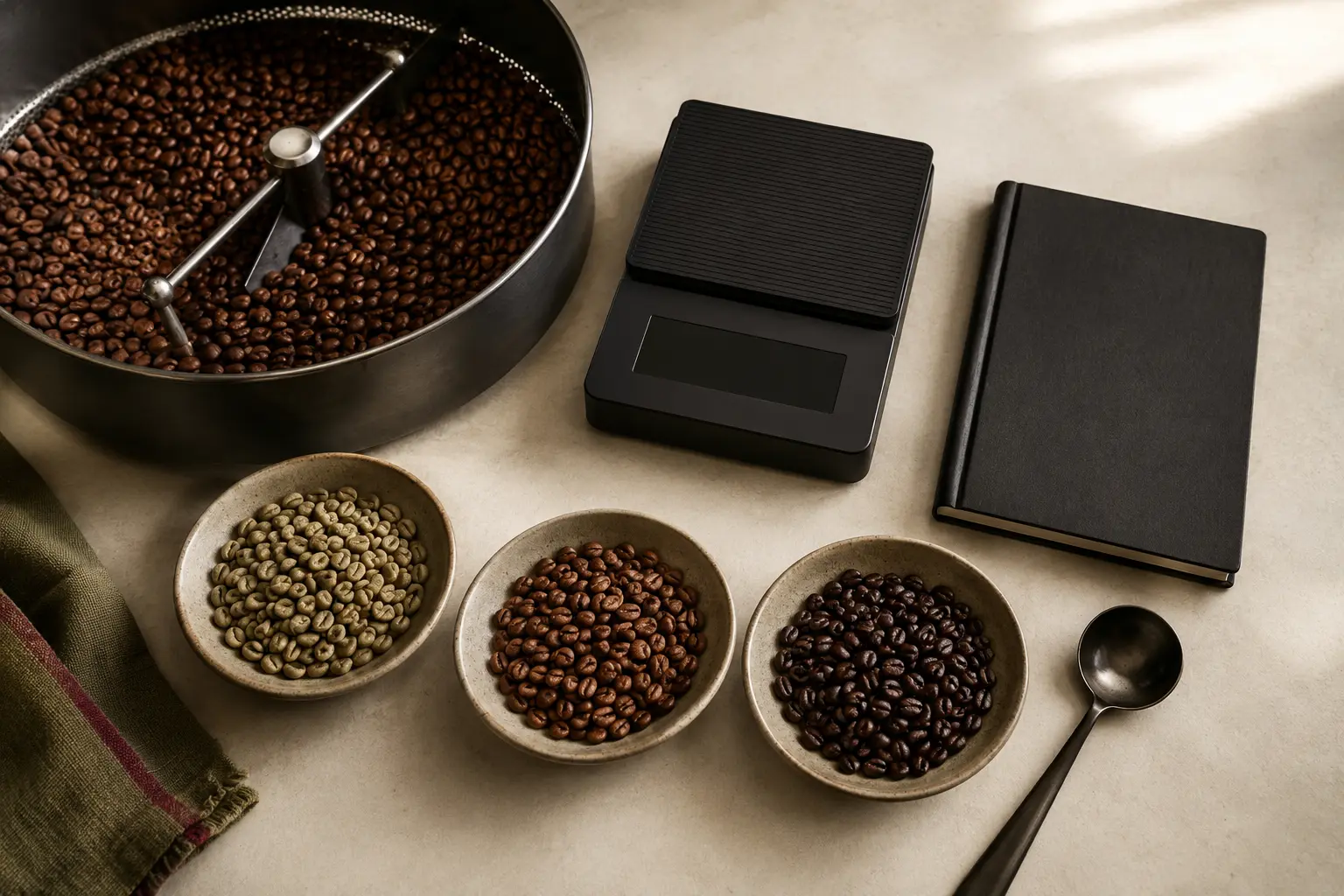
Colour is only one signal. We pair visual roast checks with aroma, extraction behaviour, body, sweetness, aftertaste and performance across more than one brewing method.
Six considered stages
Start with a clear use: filter, espresso, milk drinks, instant service or a versatile house blend.
Assess fragrance, aroma, acidity, sweetness, body, balance and finish.
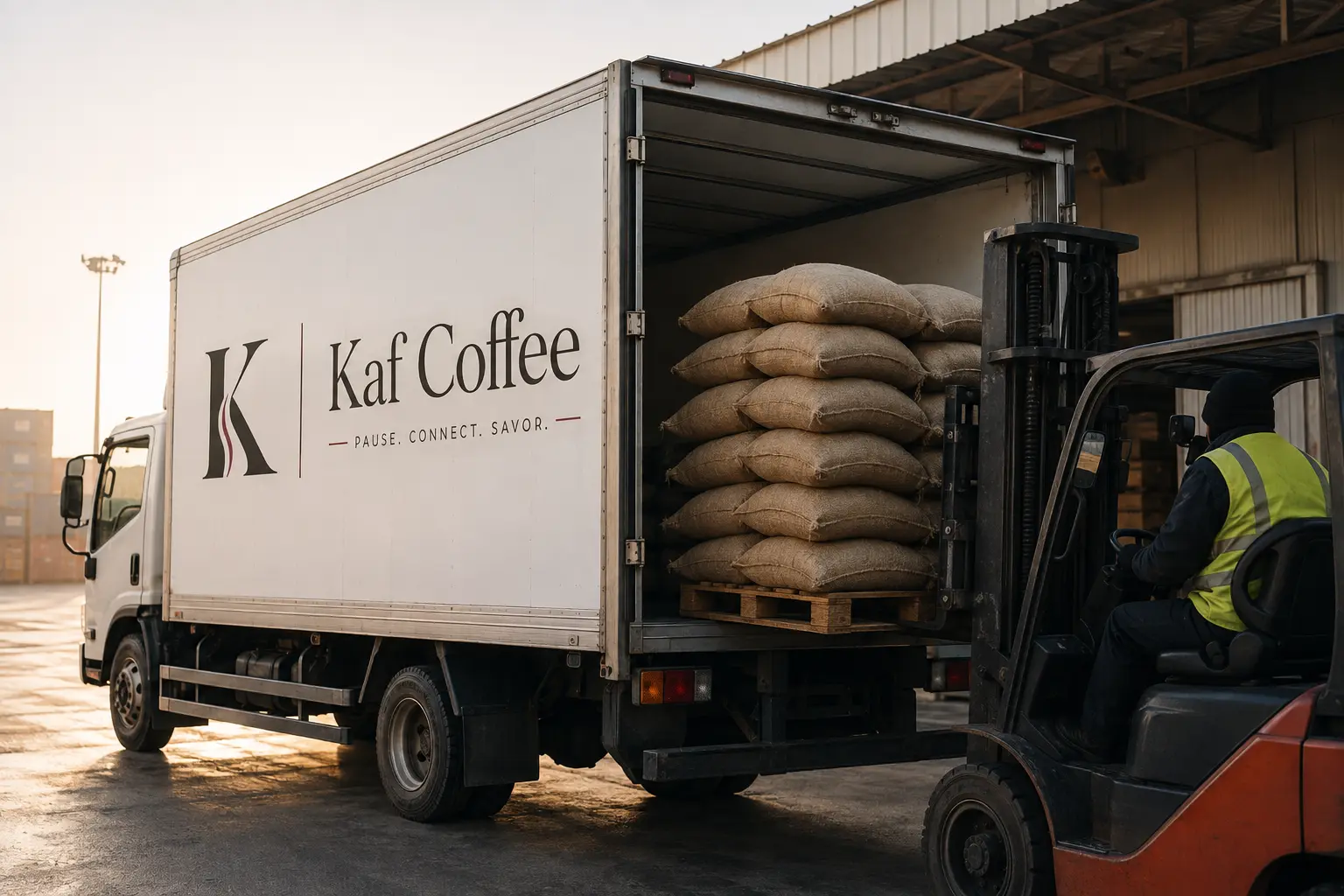
Coordinate quantities, documentation and movement to preserve traceability and freshness.
Shape energy and development to express the intended cup without flattening origin character.
Allow gases to settle, then test the coffee in the brewing conditions customers actually use.
Seal against oxygen and moisture, record the batch and approve the final presentation.
Green Pakistan alignment
250 g to 1 kg formats let homes and businesses choose around real consumption.
Durable glass jars are designed to continue as pantry storage after the coffee is enjoyed.
Secondary packaging and printed material are kept purposeful, with digital ordering and guidance first.
Consolidated ordering helps lower fragmented deliveries and protects supply consistency.
Kaf sources coffee components from established coffee-growing regions. The exact origin composition varies by blend and availability, while the target cup profile remains consistent.
Coffee is agricultural, so lots naturally vary. Kaf manages this through sample evaluation, approved profile targets, blend adjustment and final brew checks.
Intensity describes the overall impression of roast, body and flavour concentration. It does not directly measure caffeine.
Kaf is reducing avoidable material, right-sizing formats and evaluating components against Pakistan's real recycling and recovery options. Freshness protection remains essential because wasted coffee also carries an environmental cost.
Taste the result
From aromatic light-medium coffees to full professional espresso blends.